The Legend of Zelda: Skyward Sword
You navigate sprawling temples with purposeful deliberation, working through intricate puzzles that demand your full attention and creativity before confronting each guardian boss. The motion controls ground you in tactile, intentional swordplay, making every swing feel like a considered choice rather than a reflexive button press.
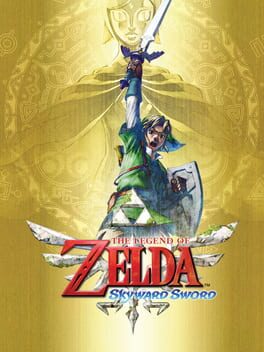
The Legend of Zelda: Skyward Sword is the first Zelda game created specifically with the Wii in mind. The game makes use of the Wii MotionPlus peripheral for sword fighting, with a revised Wii Remote pointing system used for targeting. Skyward Sword is structured very similar to previous Zelda games, as you travel through an overworld in search of temples to visit and once in you solve a series of puzzles before fighting a boss at the end and receive the next bit of plot. The biggest change is that the overworld is more focused on puzzles with only a handful of action.
Play with others
Join on Discord →Similar vibe

Tony Hawk's Pro Skater 2
You're locked into a flow state, stringing together combos and mastering trick mechanics that demand precision timing and creative expression. Each park is a playground of possibility, pulling you deeper into session after session as you chase that perfect line and unlock new skills.
Fire Emblem: Three Houses
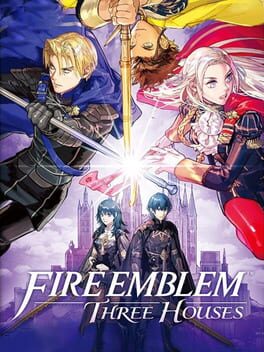
You're carefully orchestrating each move on a grid of battle, weighing tactical decisions against the clock of a calendar year where your choices ripple through relationships and character fates. Between intense combat encounters, you settle into the quiet rhythm of monastery life—teaching, mentoring, and slowly building bonds that deepen the emotional weight of every decision you make.
Crash Team Racing
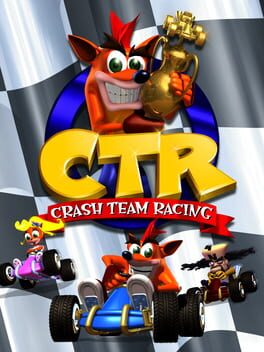
You're gripping the controller tight as you navigate sharp turns and dodge incoming attacks, your reflexes constantly tested against relentless AI opponents. The colorful chaos of the track rushes past you in bursts of adrenaline-fueled competition, whether you're chasing victory alone or laughing with friends in arcade mode.